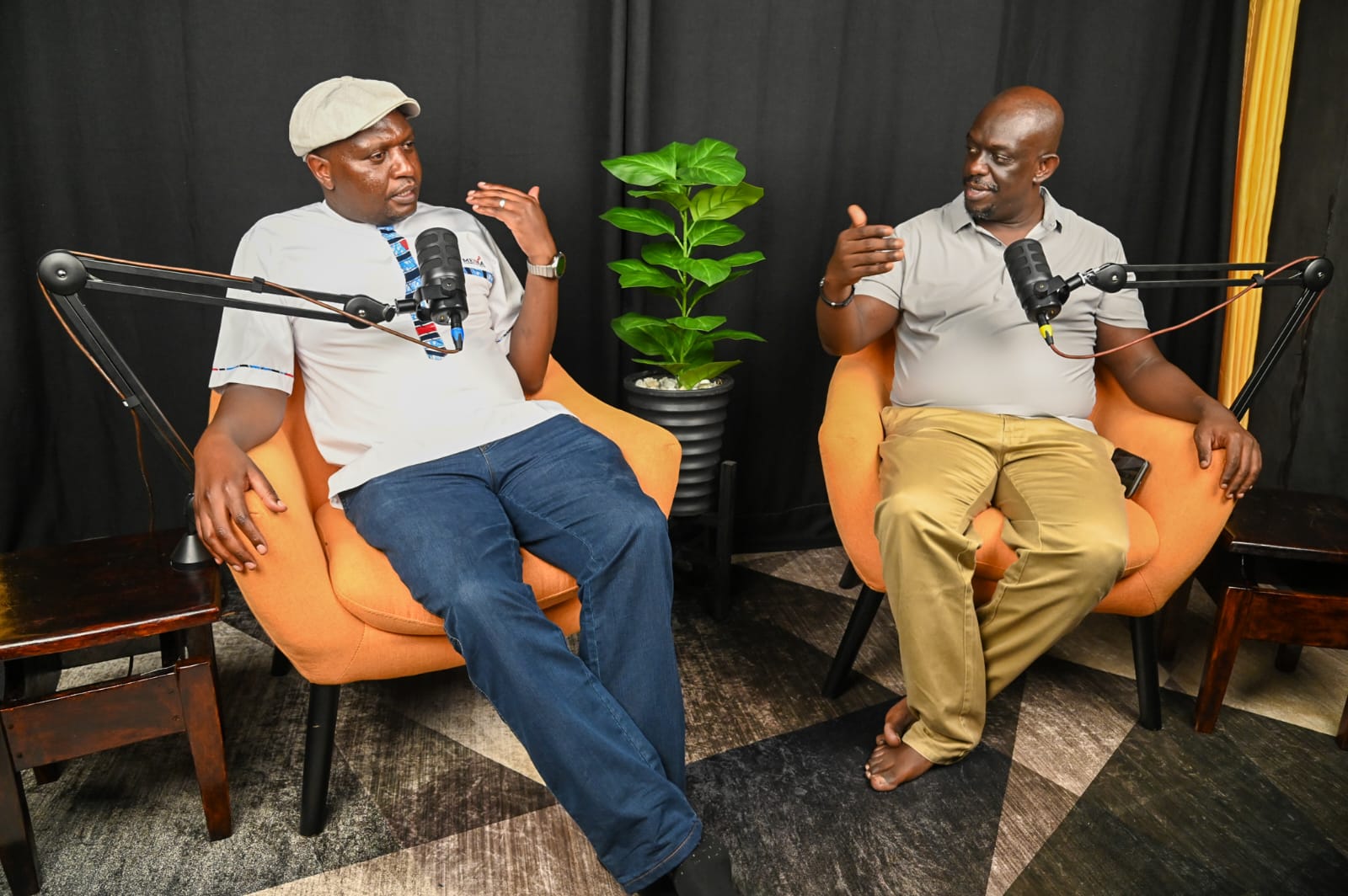
Former journalists and independent content creators in Kenya are set to benefit from a new strategic direction focused on targeted support for those seeking to work independently and venture into podcasting.
Media Council of Kenya (MCK) CEO David Omwoyo made the announcement at the launch of a podcast studio at the MCK-supported Malindi Media Hub at Maono Space in Kilifi County, stating that the Council is reshaping its approach to support journalists transitioning from mainstream newsrooms into independent digital spaces.
“Several media houses have shut down, and more continue to do so, presenting journalists with significant challenges. Those now without jobs can continue their work from here. It is possible to work independently and still produce ethical content,” he said.
Mr Omwoyo revealed that MCK will actively seek out former journalists wishing to present content through podcasts, requiring them to obtain accreditation from the Council and commit to professional standards.
“We will find them, support them, and ensure they meet the bar we have set,” he stated.
He added that MCK will work closely with Maono Space to develop strategic training courses — including decolonisation strategies — aimed at equipping media practitioners to thrive independently in a rapidly evolving media landscape.
“Training is paramount. We will develop strategic courses and begin immediately, to help practitioners adapt and comply with media regulations,” Omwoyo said, noting that podcasts produced under the framework may be watermarked as regulated by MCK where creators commit to the Code of Conduct for Media Practice.
Mr Omwoyo expressed confidence that the new facility would broaden access to platforms where journalists and young people can exercise freedom of expression whilst monetising their content.
“I am pleased that this space gives people a place to voice their concerns, exercise freedom of expression, and where young people can monetise their content,” he added.
Al Kags, Founder of the Open Institute, acknowledged the sustainability pressures and safety concerns facing media workers, noting that many outlets have closed due to financial constraints.
“We need to build facilities where journalists and content creators can carry out their work. Our vision is for changemakers to have the space to advance their work,” he said, adding that the organisation will continue investing in youth and communities whilst seeking further partnerships to create more opportunities.
Also addressing the gathering, Sheilla Masinde, Executive Director of Transparency International Kenya, underscored the importance of partnerships in driving societal change.
She encouraged young people to use digital platforms and podcasts to tackle societal challenges, noting that they are among those most affected by gaps in governance and accountability.
Whilst commending MCK’s efforts in supporting media practitioners, she observed that more remains to be done to safeguard media rights and freedoms.
Journalists and content creators at the event described the podcast studio as a long-awaited development, thanking MCK and its partners for establishing a conducive environment for innovation. They cited growing monetisation prospects and the rising influence of podcasts in shaping public discourse, noting that the evolving media landscape presents fresh opportunities for those ready to embrace change.
The Malindi Media Hub is a partnership between the Media Council of Kenya and the Open Institute. The two organisations launched the hub and co-working space at Maono Space in March 2024 to support local journalists and creators with high-speed internet and modern digital tools. The addition of the podcast studio further strengthens digital content production and reinforces media ethics.